Reclaiming a Neglected Courtyard: My Own Garden
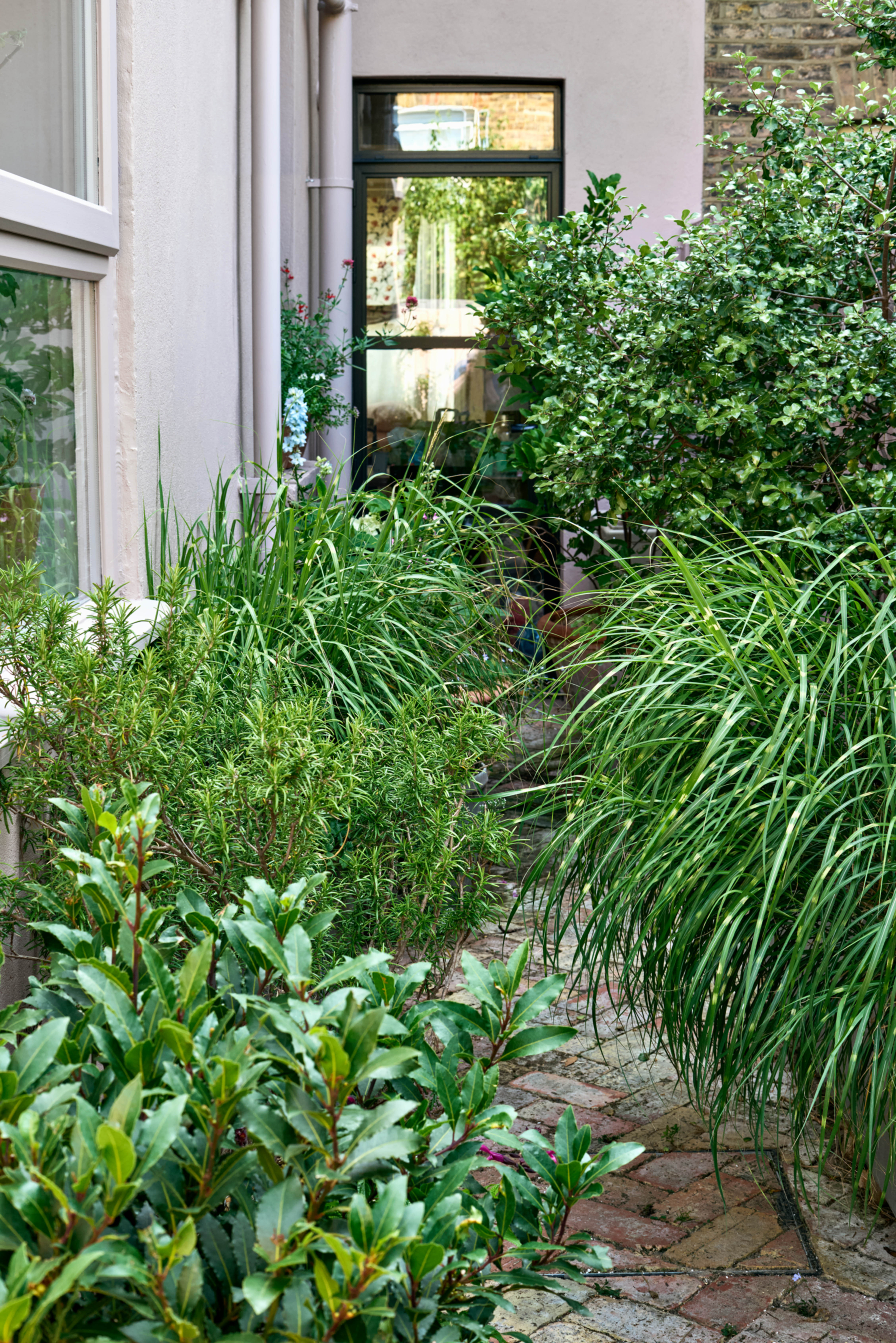
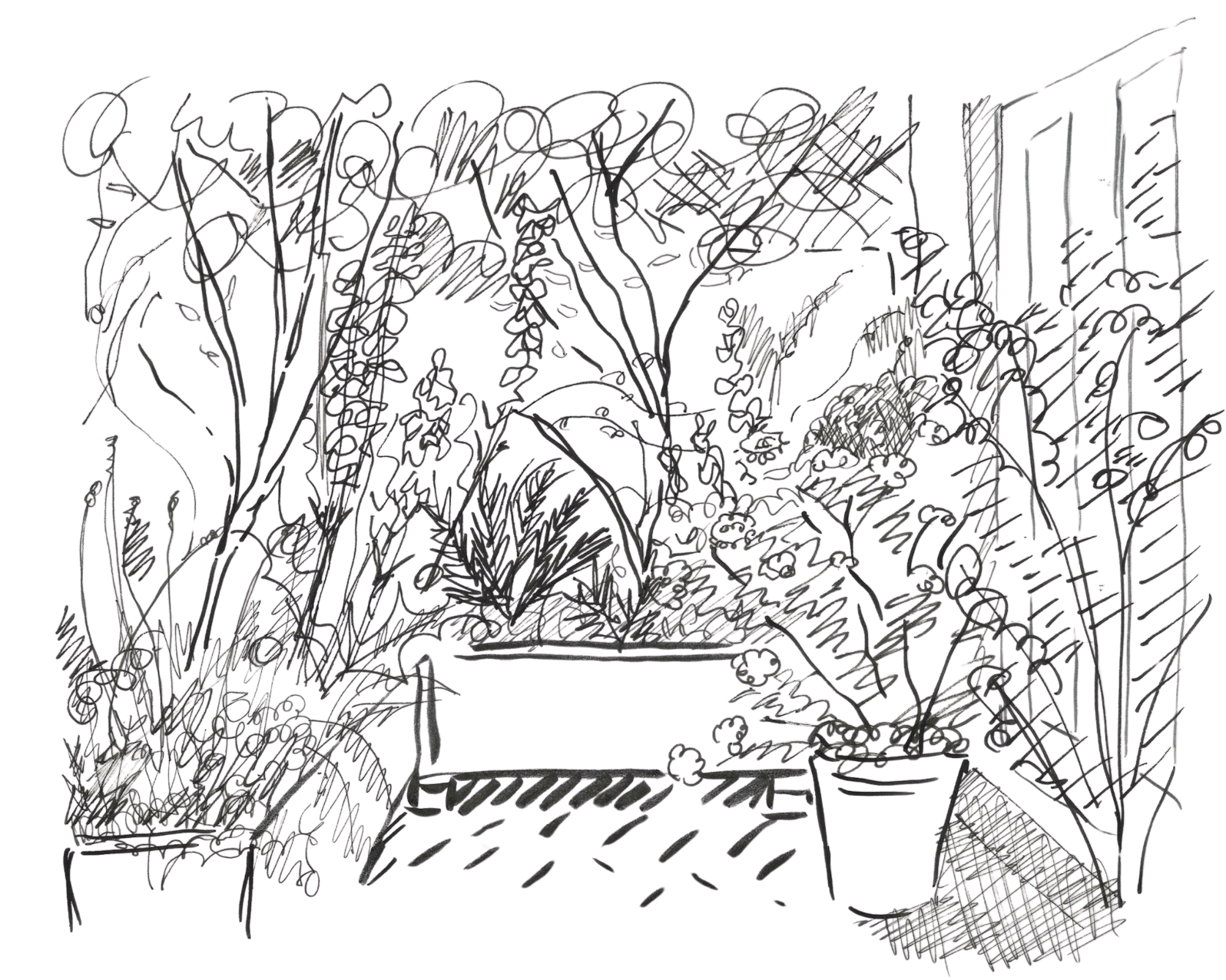
When I took on my own small courtyard, I had every advantage a garden designer could ask for: I knew exactly what I wanted, and no client to negotiate with but myself. What I inherited was a south-west facing plot, plenty of sun, but boxed in on every side by tired fencing and a hard, uneven surface that gave the space no unity at all.
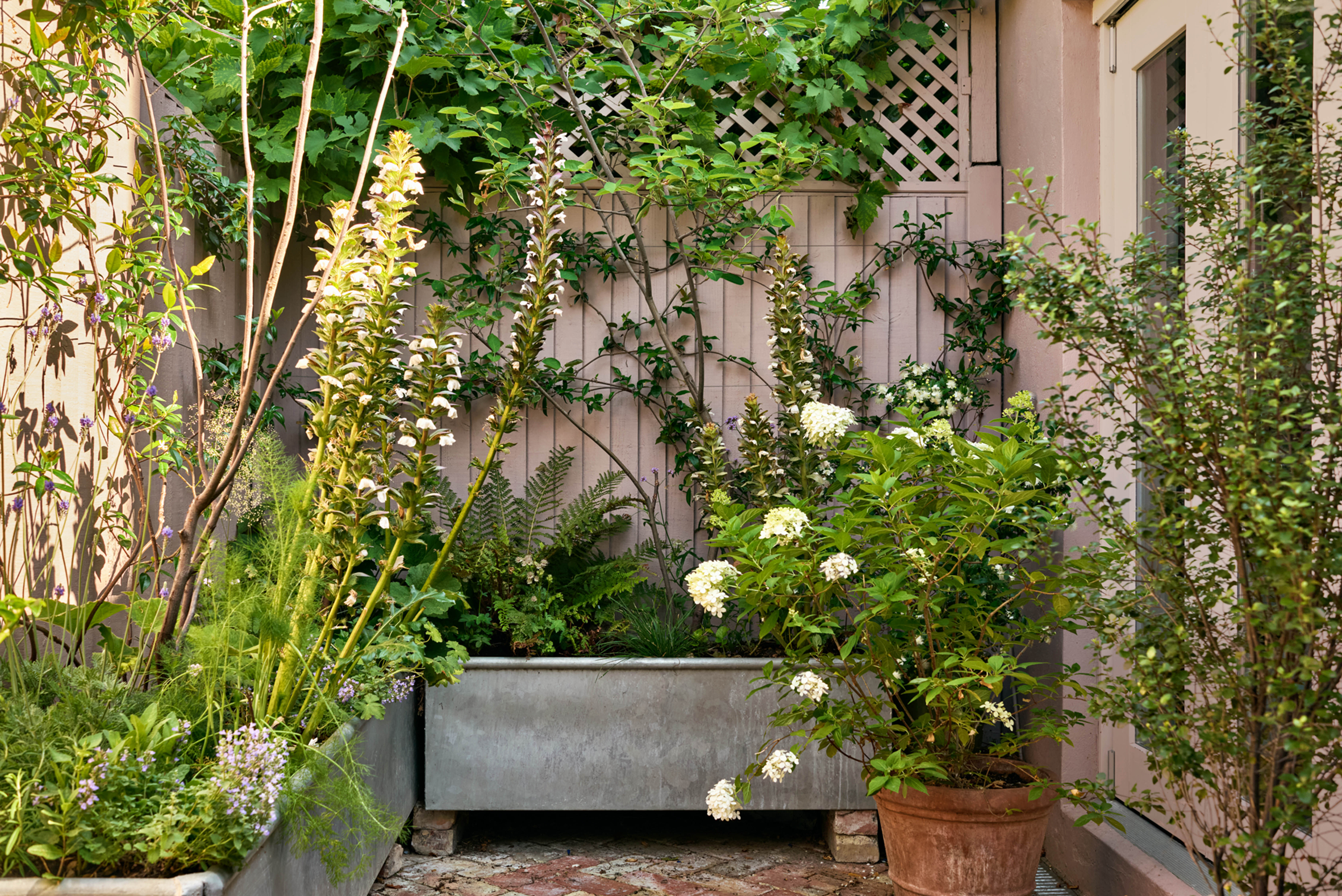
The first job was the ground. I stripped the existing slippery decking and laid instead reclaimed London brick, set in a herringbone pattern. Using a single material across the whole footprint did more for the sense of space than anything else I did, it stopped the courtyard reading as a collection of leftover corners and made it feel like one considered room.
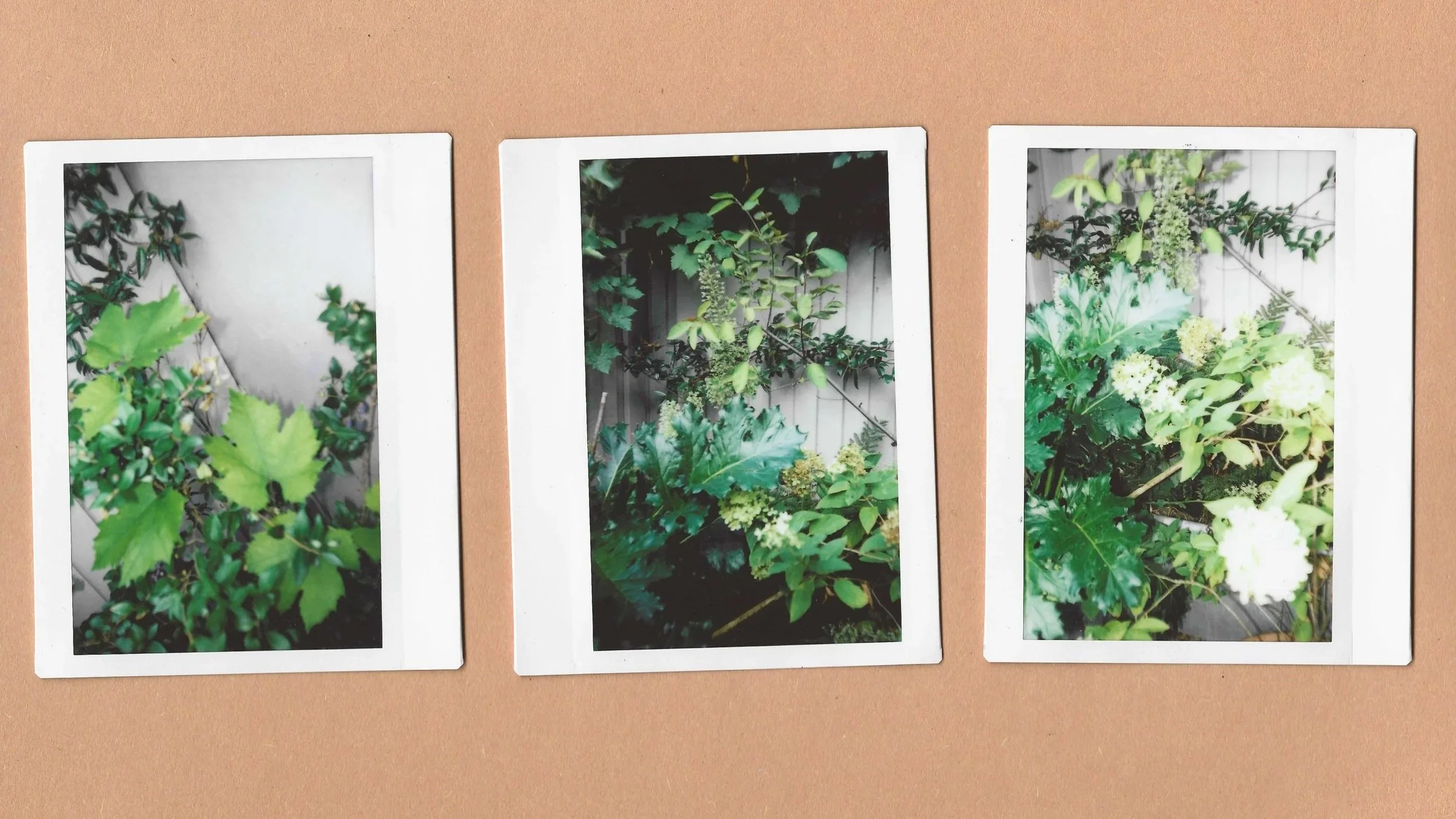
The fences came next. I replaced and repainted them in Copper's Earth, from the Jinny Blom x Mylands collection, a colour that's hard to pin down, sometimes it reads as an off-white, other times it shifts towards purple, or grey, or a murky brown depending on the light. That instability is exactly what makes it work as a backdrop: it never fights with the planting, it just sits behind it and lets the greens and textures do the talking.
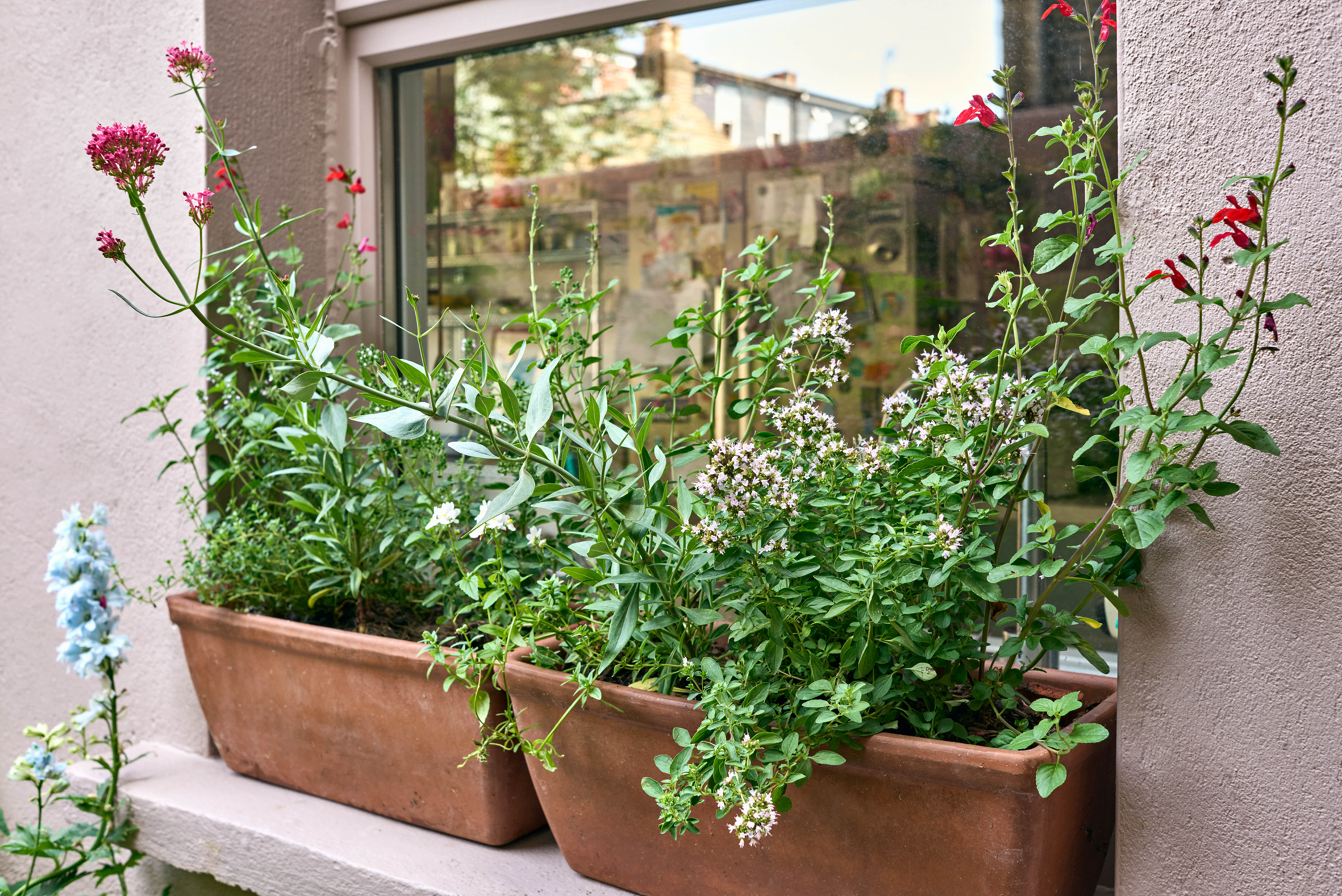
Planting started with structure. Pittosporum gives year-round evergreen bulk, and a multi-stem Amelanchier provides the tree layer, small enough for the space but enough presence to anchor it. I've been practical too: Rosmarinus officinalis and Laurus nobilis, rosemary and bay, earn their place at the back door as much as in the border.
Since then I've been layering in grasses and ferns, building out the texture and form the space still needs, and thinking about seasonal colour so the garden doesn't peak once and go quiet for the rest of the year. The next phase is about resilience and productivity: growing more of my own food in the beds, working out how to make the most of the sun, and pushing the whole garden towards greater drought tolerance. Beth Chatto's work is the reference point here selecting plants that thrive with less water rather than struggle without it in abundance.
It's a small space, but it's taught me more about restraint and sequencing than any client project could, because there was nowhere to hide a decision I didn't fully believe in. I keep adding and taking away and through this space I see what really works with minimal intervention.